C L I E N T H I G H L I G H T
Magenta Health
Family Medicine • 40 Rooms, 3 Locations • Toronto, Ontario
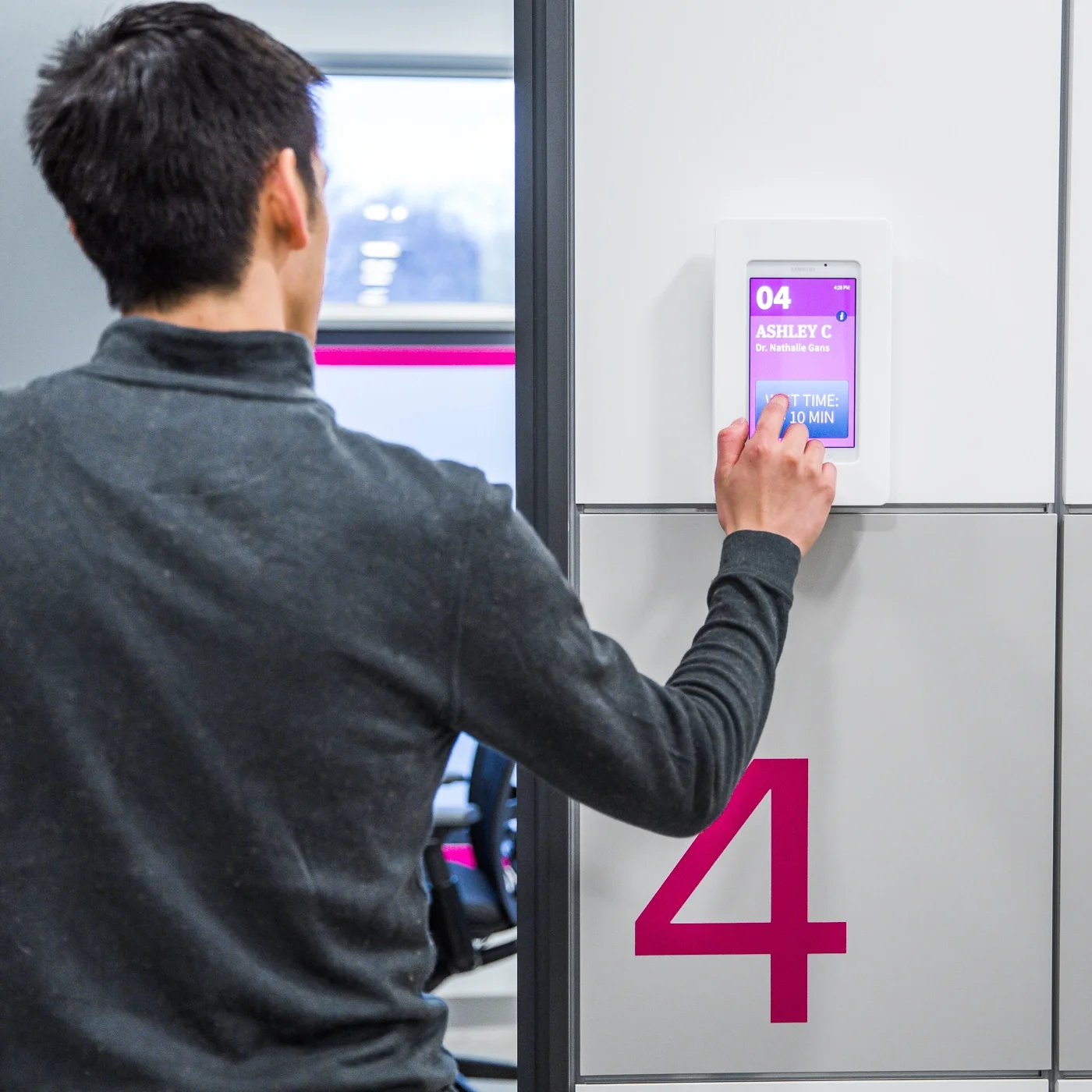
“CHIME is our ‘Air Traffic Control’ system — it tells us the status of every room, every patient and every clinician.”
— Dr. Marco Lo, Co-founder, Owner & Physician at Magenta Health

About Magenta Health
We are a network of modern family medicine clinics located in Toronto and serving patients across Riverside, Midtown, and the Beaches neighbourhoods. Our team of experienced physicians and staff provide comprehensive primary care health services for individuals and families, supported by tech-enabled tools that make healthcare more accessible and convenient.

Results & Highlights
After implementing CHIME, we were able to run our clinic far more efficiently—both operationally and financially—without needing to expand our physical footprint. CHIME’s AI-powered platform, paired with dedicated hardware, helped us remove day-to-day bottlenecks in clinic flow, increase throughput, and reduce administrative overhead in a way that was immediately measurable.
Dramatically Reduced Cost per Appointment
Cut our effective cost per appointment by ~50%
Reduced operating overhead by automating key steps like check-in, rooming, and task coordination
Doubled Patient Capacity Without Expanding
Increased monthly appointment volume from ~1,500 to ~3,000
Achieved this without adding exam rooms or lengthening appointment times, by improving room and staff utilization
Smarter Staffing & Smoother Day-to-day Flow
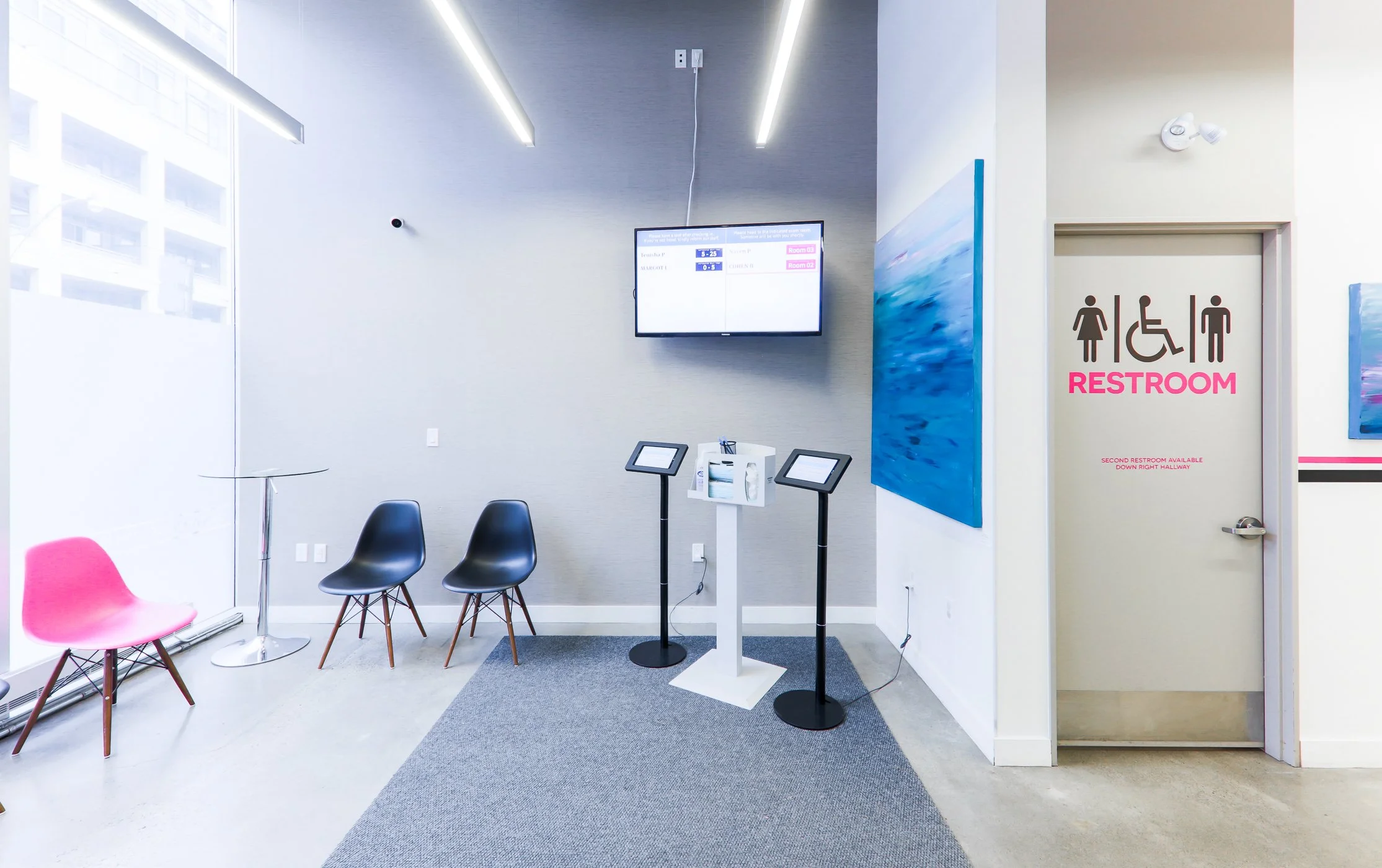
Reorganized support coverage and extended service hours using tools like automated check-in, patient wayfinding, room assignment, and mobile dashboards
Reduced administrative and support workload enough to cut the need for ~1–2 FTE equivalents, while improving real-time coordination across the team
Our Biggest Challenge was…
The biggest challenge for us during implementation was change management; getting every role in the clinic (front desk, nurses, and clinicians) aligned on a new, more standardized way of coordinating patient flow. Because CHIME touches multiple steps at once (check-in, wayfinding, room assignment, and real-time task coordination), we had to invest time upfront to configure it to match our workflows and ensure the team used it consistently day-to-day. Once those habits were established, the operational gains came quickly.